



New Year, New Pleasure: Why Intimacy Deserves a Seat at Your 2026 Goals
28 January 2026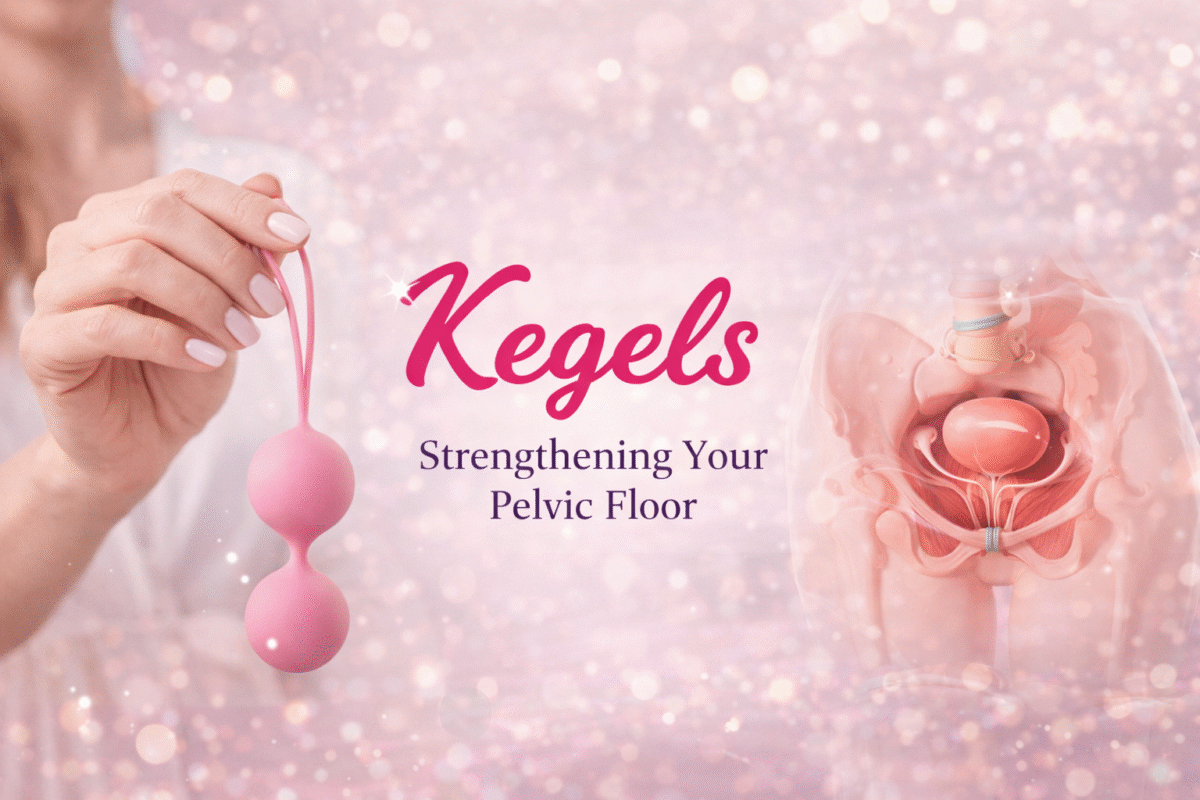
Why Kegels Matter: A Guide to Pelvic Floor Wellness
By Ignite Intimacy
When we talk about women’s health, many important topics are still whispered about or discovered far too late. One of those is pelvic floor health. These muscles play a crucial role in everyday wellbeing, confidence, and intimacy — yet many women are never taught how to care for them.
That’s where Kegel exercises come in.
What Are Kegels?
Kegels are exercises that strengthen the pelvic floor muscles — the muscles that support the bladder, uterus, and bowel. These muscles are responsible for helping control bladder function, supporting core stability, and contributing to sexual wellness.
Just like any muscle in the body, the pelvic floor can weaken over time. Pregnancy, childbirth, aging, hormonal changes, and even lifestyle factors can affect their strength.
The good news? Pelvic floor muscles can be trained and strengthened.
Why Pelvic Floor Strength Is Important
Strengthening your pelvic floor has many benefits for women at all stages of life. When these muscles are strong and functioning well, they support both physical health and confidence.
Some of the key benefits include:
Improved bladder control
Many women experience small leaks when sneezing, laughing, or exercising. Strengthening the pelvic floor can help improve bladder support and control.
Enhanced core stability
The pelvic floor works together with your abdominal and back muscles to support your core. Stronger muscles can help improve posture and stability.
Better support for pelvic organs
Your pelvic floor helps hold the bladder, uterus, and bowel in place. Strong muscles help maintain this support.
Increased body awareness and confidence
Learning to connect with and strengthen these muscles helps women feel more confident and in tune with their bodies.
Support for intimacy and pleasure
Pelvic floor strength plays a role in sensitivity and muscle tone, which can positively influence intimacy and pleasure.
When Should Women Start Doing Kegels?
Many women only hear about pelvic floor exercises after childbirth or when they start noticing changes later in life. However, pelvic floor wellness is something that can benefit women at any age.
Women in their 20s, 30s, 40s and beyond can all benefit from maintaining pelvic muscle strength as part of their overall wellness routine.
How to Do Kegels
A simple way to identify the pelvic floor muscles is to imagine stopping the flow of urine mid-stream. The muscles you tighten to do that are your pelvic floor muscles.
To perform a Kegel exercise:
Tighten the pelvic floor muscles.
Hold for about 3–5 seconds.
Relax for 3–5 seconds.
Repeat 10 times.
Doing this three times a day can help gradually strengthen the muscles.
Tools That Can Help
While Kegels can be done without any equipment, many women find that pelvic wellness tools make it easier to train the muscles properly and build strength more effectively.
At Ignite Intimacy, we offer beginner-friendly products designed to support pelvic floor training and wellness.
Easy Play Kegel Exercisers
These are a great option for women starting their pelvic floor journey. They help provide gentle resistance so the muscles engage more effectively during exercises.
Personal Lubricant
Using a water-based lubricant can help make inserting Kegel exercisers more comfortable and smooth.
So Pure Toy Cleaner (100ml)
Maintaining hygiene is an important part of using any intimate wellness product. A gentle cleaner helps keep your products safe and fresh for every use.
A Final Thought
Pelvic floor health is an important part of overall wellness, yet it’s something many women don’t learn about until later in life. By understanding and strengthening these muscles, women can support their bodies, improve confidence, and take proactive steps toward long-term wellbeing.
At Ignite Intimacy, our goal is to create a safe space where women can learn, ask questions, and explore products that support intimate wellness.
If you’re curious about pelvic floor training or would like guidance on getting started, feel free to reach out — we’re always here to help.